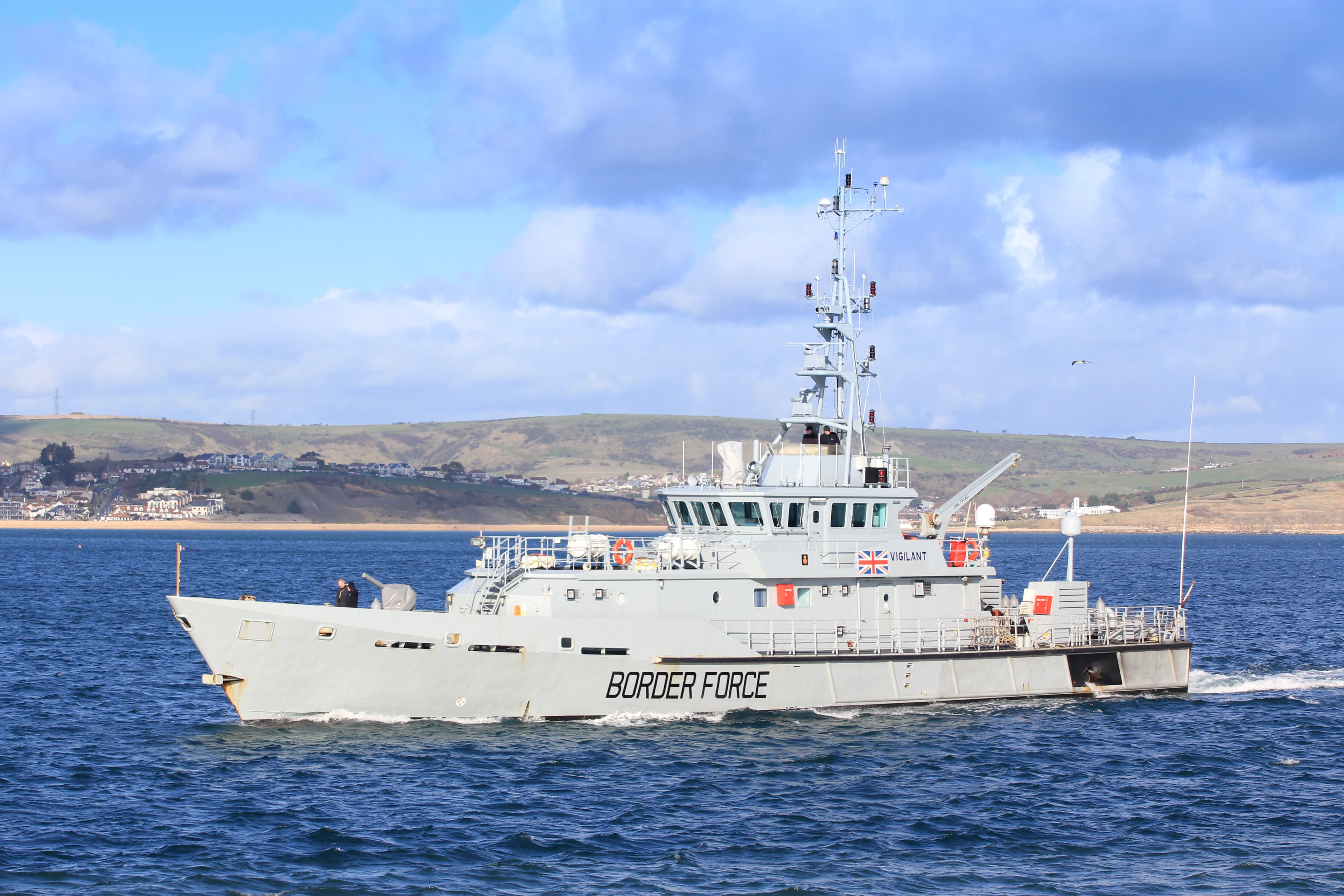
Clearance
Private yacht
Commercial yacht
01
Before sailing
The pleasure craft report is made online to Border Force two to twenty-four hours before sailing for the United Kingdom. If the service is down, it is sent by email on the Border Force template or on form C1331.
The call is notified through the National Maritime Single Window. At 500 gross tonnes and over, security notice is given twenty-four hours before arrival.
02
Approach
The yellow Q flag is flown from the twelve-mile limit until an officer confirms that it may be lowered.
If there is illness or a death aboard, the port health authority is told four to twelve hours before arrival and a Maritime Declaration of Health is made.
03
Arrival
No one lands, and nothing is landed, until Border Force gives permission.
The general declaration, crew effects declaration, crew list and passenger list are lodged on FAL forms 1, 4, 5 and 6. The crew and passenger list is due within twelve hours of arrival.
04
People aboard
Guests who are not British or Irish need an Electronic Travel Authorisation and permission to enter. Crew arriving and leaving with the yacht need neither.
Passengers who are not British or Irish need an Electronic Travel Authorisation and permission to enter. Crew arriving and leaving with the yacht need neither.
05
Customs
Temporary Admission for private use gives up to twenty-four months in Great Britain without import VAT or duty. It is claimed on arrival, without a declaration.
Temporary Admission for commercial use covers the carriage of passengers for payment, for the period the operation needs, up to twenty-four months unless HMRC approves longer.
06
Fuel and stores
Red diesel is taken on a declaration of the share used for propulsion, with full duty paid on that share. Stores are kept aboard duty free and locked.
Red diesel may be taken without a declaration, on evidence that the yacht is not at the exclusive use of its owner or charterer. Stores are declared on FAL 3 unless a stores account is kept.
07
Departure
The report is made again two to twenty-four hours before sailing, unless the yacht is bound for Northern Ireland.
Outward clearance is obtained before sailing for anywhere outside the United Kingdom, including the Channel Islands and the EU.
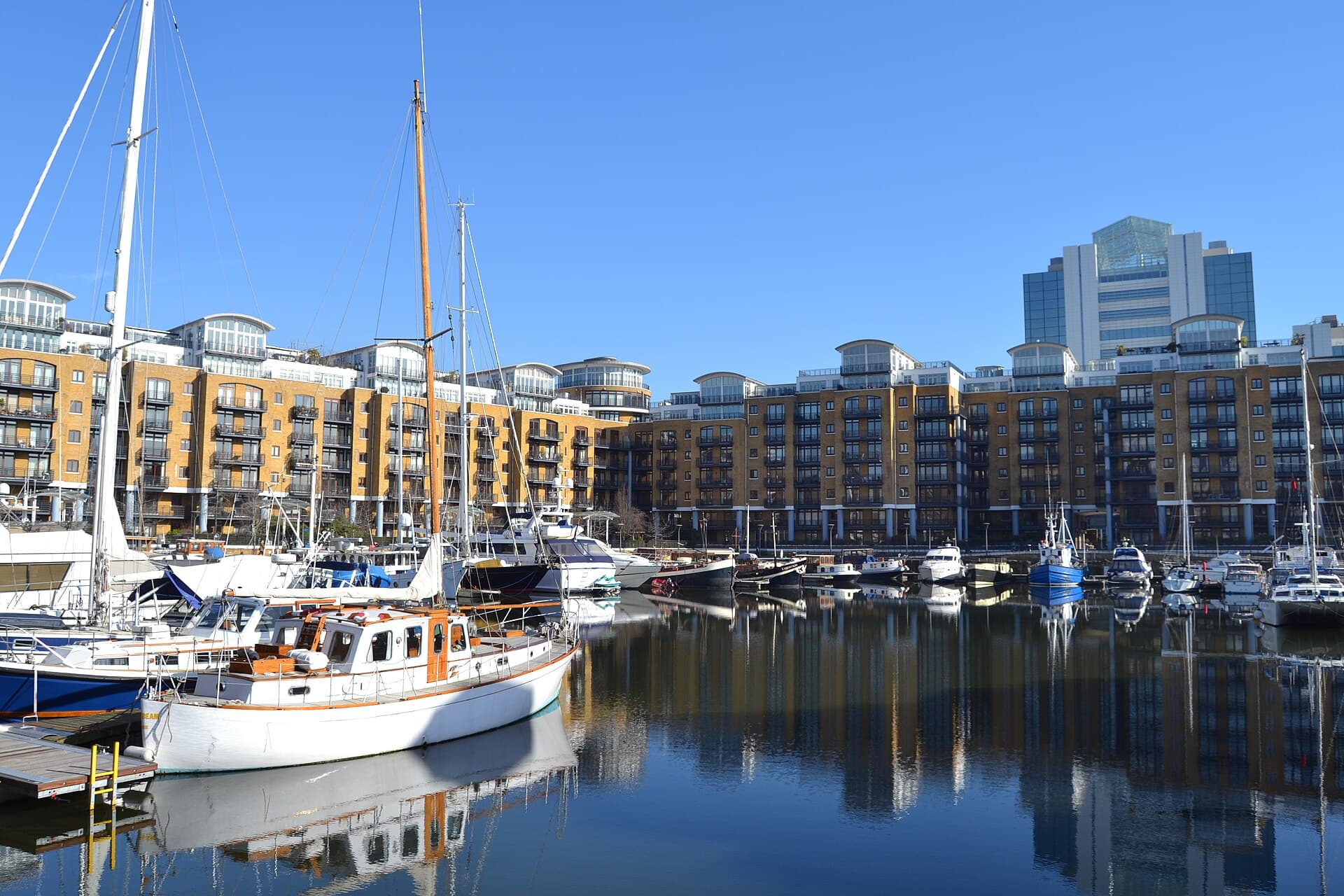
For every yacht
Crew joining in the United Kingdom need a passport or seaman’s book, their contract, and a letter from the owner or agent confirming that the yacht will leave UK waters. Visa nationals also need a Joining Ship visa, unless they hold an ILO seafarer’s identity document. Crew leaving are normally given up to seven days to travel home.
On arrival the yacht declares cash of GBP 10,000 or more, animals, firearms and controlled food. Animals may not be landed in Great Britain from a yacht, except from Ireland or Northern Ireland. Firearms, including CS spray, need an import licence.
A yacht arriving from the Channel Islands or Ireland also reports; one arriving from the Isle of Man does not. Ships owned, controlled or chartered by persons designated under the Russia sanctions may not enter a UK port.
The United Kingdom is outside the Schengen area, and the EU period of Temporary Admission runs separately. Recent changes are on the notices page. Watermans confirms the position for each yacht before arrival.
Questions
- How long can a foreign-flagged yacht stay in the UK?
- A private yacht registered outside the United Kingdom and used by a non-UK resident may stay for up to 24 months in Great Britain under Temporary Admission, without import VAT or duty. The period in Northern Ireland is 18 months.
- When is the pleasure craft report made?
- The report is made online to Border Force between two and twenty-four hours before the yacht sails from its last port for the United Kingdom, and again before departure unless the yacht is bound for Northern Ireland.
- When is the Q flag flown on arrival in the UK?
- The yellow Q flag is flown from the twelve-mile limit until an officer confirms that it may be lowered. No one lands until Border Force has given permission.
- Do superyacht crew need an Electronic Travel Authorisation?
- Crew arriving and leaving with the yacht need neither an Electronic Travel Authorisation nor permission to enter. Guests who are not British or Irish need both.
- Can a superyacht take red diesel in the UK?
- A private yacht may take red diesel in Great Britain on a declaration of the share used for propulsion, with full duty paid on that share. A commercial yacht that is not at the exclusive use of its owner or charterer may take it without a declaration.
GOV.UK: Submit a pleasure craft report; Sailing a pleasure craft arriving in and departing from the UK; Get clearance to leave a UK port for commercial vessels; Report goods arriving on a commercial vessel; Temporary Admission guidance and technical handbook; Excise Notices 554 and 69a; Entering the UK, exemptions to controls; Seamen arriving in the UK; Electronic Travel Authorisation; Bringing cash into the UK; Pets by private boat; Import controls on offensive weapons; Transport sanctions and SI 2019/855, regulation 57A; Maritime security; Public Health (Ships) Regulations 1979. Checked 23 September 2026.
An estimate is issued the same working day.
Telephone +44 (0)20 4569 1664 or WhatsApp